
Red Lebanese Hash — What Makes It Red, and Where to Buy It in Canada
Red Lebanese Hash
Aged for months in the Baalbek valley until it turns from blonde to red. The colour isn’t a brand — it’s a different harvest, and it changes what the hash does to you.
The short version
Traditional sifted-and-pressed hash from Lebanon, aged four to eight months until it goes spicy and woody. Red is the late-harvest version — more CBN, more body, more couch. $40 a gram, or $8 in a preroll if you want to try it first.
Why some Lebanese hash is blonde and some is red
This is the part most people get wrong, so it’s worth being clear: blonde and red Lebanese are not different strains. They’re the same plants, harvested at different points in the growth cycle.
Blonde comes from plants pulled early, when THC is at its peak. It’s brighter, more cerebral, more of a head high. If you want that end of it, our BC Blonde Kief sits in similar territory.
Red comes from plants left in the ground longer. As cannabis matures, THC gradually converts to CBN — a non-psychoactive cannabinoid associated with heavy, sedating, body-first effects. That’s why red Lebanese hits the way it does.
Where it comes from
The Baalbek valley in Lebanon, where hash production runs at genuine scale. Lebanon has been making this for long enough that hash was once used there as currency — which tells you something about how seriously the region takes it.
The plants are rugged indicas chosen for resin content rather than bag appeal. They’re dried, sifted and pressed, and then — the step that matters — left to age.
The aging is the point
Red Lebanese is cured for four to eight months. That’s not storage; it’s part of the process. The aging is what develops the consistency and deepens the flavour into the spicy, woody profile the region is known for.
It smokes smooth for something this old-school. There’s none of the harsh, green edge you get from hash that’s been rushed to market.
What it actually does
Euphoric and clear in the head, warm and heavy in the body. It’s calming rather than knock-out, but the CBN means it leans further toward sedation than most hash you’ll try.
Reach for it in the evening. It’s a stress-relief and wind-down hash, not a daytime one.
How to smoke it
Warm a small piece between your fingers until it softens, then crumble it into a joint or bowl over flower. It’ll burn better with something underneath it. A pipe works, a bong works, and it holds up fine in a vaporizer set for concentrates.
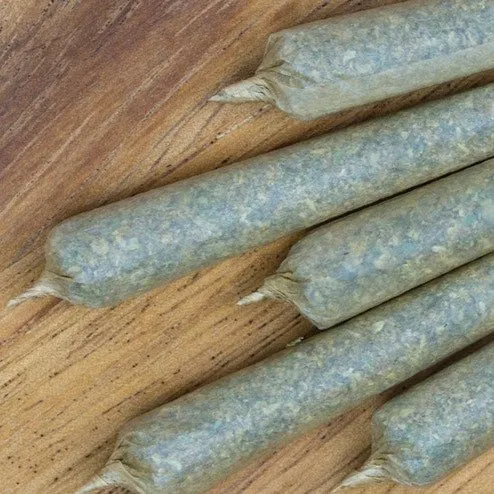
If you’d rather not handle it at all, we roll it for you — the Red Lebanese hash joints are $8 each, and there’s no shake in them.
The rest of the hash shelf
Everything below is in stock right now. If you’re new to hash, start at the $15 end and work up.



Questions people actually ask
What’s the difference between red and blonde Lebanese hash?
Harvest timing, not strain. Blonde is made from plants pulled early while THC is highest, giving a brighter, more cerebral effect. Red comes from older plants where more THC has converted to CBN, making it heavier and more sedating.
Is Red Lebanese hash strong?
Yes, but it’s a different kind of strong. The high CBN content means it leans sedating and body-heavy rather than sharply psychoactive. It’s long-lasting and best kept for the evening.
Why is it aged for months?
The four-to-eight-month cure is what develops the texture and deepens the flavour into the spicy, woody profile Lebanese hash is known for. Rushed hash smokes harsher and tastes greener.
How do I smoke hash if I’ve never tried it?
Warm a small piece between your fingers until it softens, crumble it over flower in a joint or bowl, and go slowly. Or start with the $8 pre-rolled hash joint and skip the handling entirely.
Do you ship hash across Canada?
Yes, to every province and territory. Expedited is 3–7 business days with tracking, with 2-day and next-day options at checkout. Free over $120, vacuum-sealed and odour-proof in a plain unmarked mailer.
Red Lebanese Hash — $40, in stock
Four to eight months in the cure. Spicy, woody, and heavier than it looks.

